Pools · Across Victoria
Pool Coping & Surround Refresh in Melbourne
Washed, re-grouted and sealed so your pool edge looks right and grips when wet.
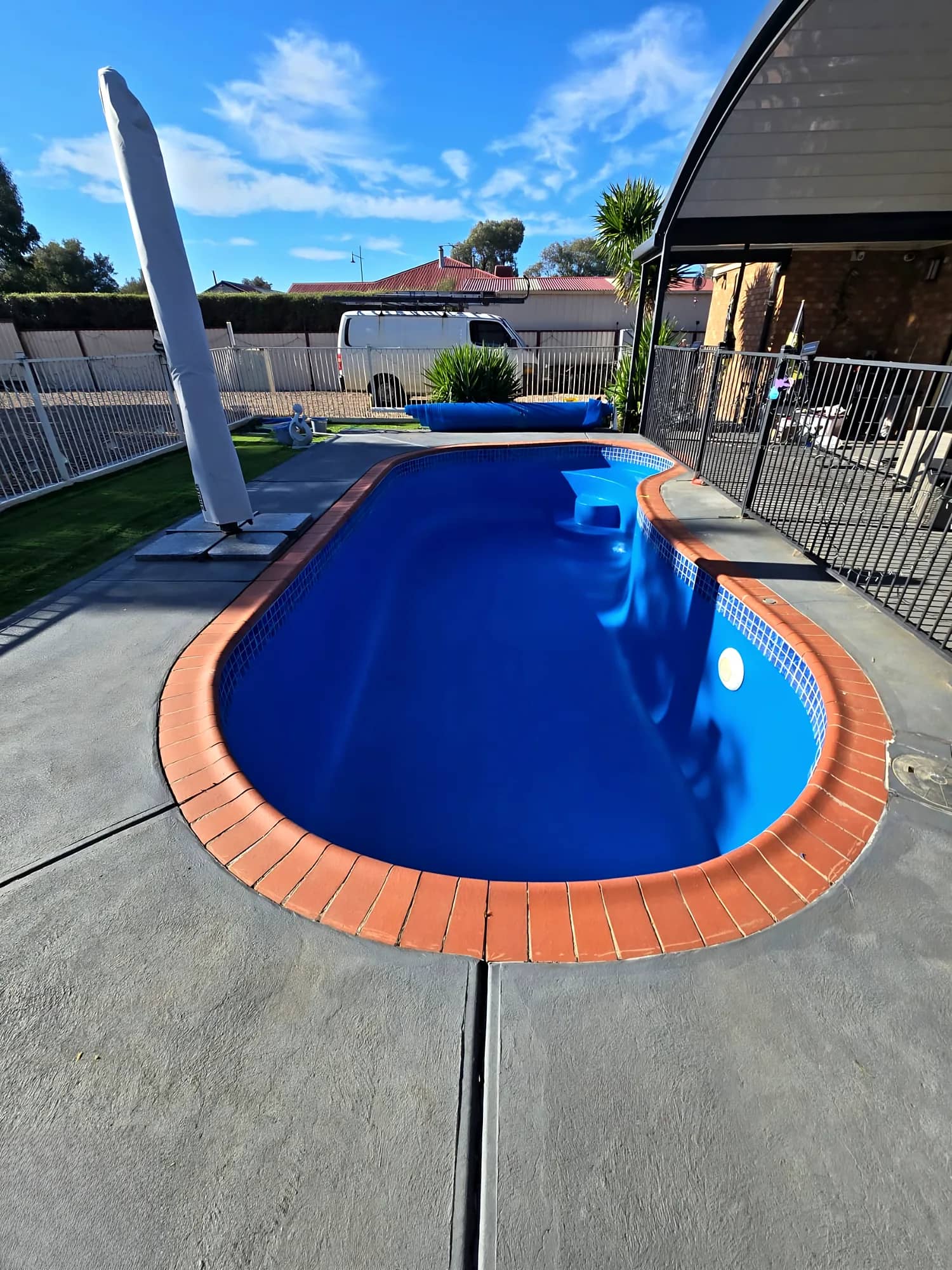 Pool painting with a coping refresh
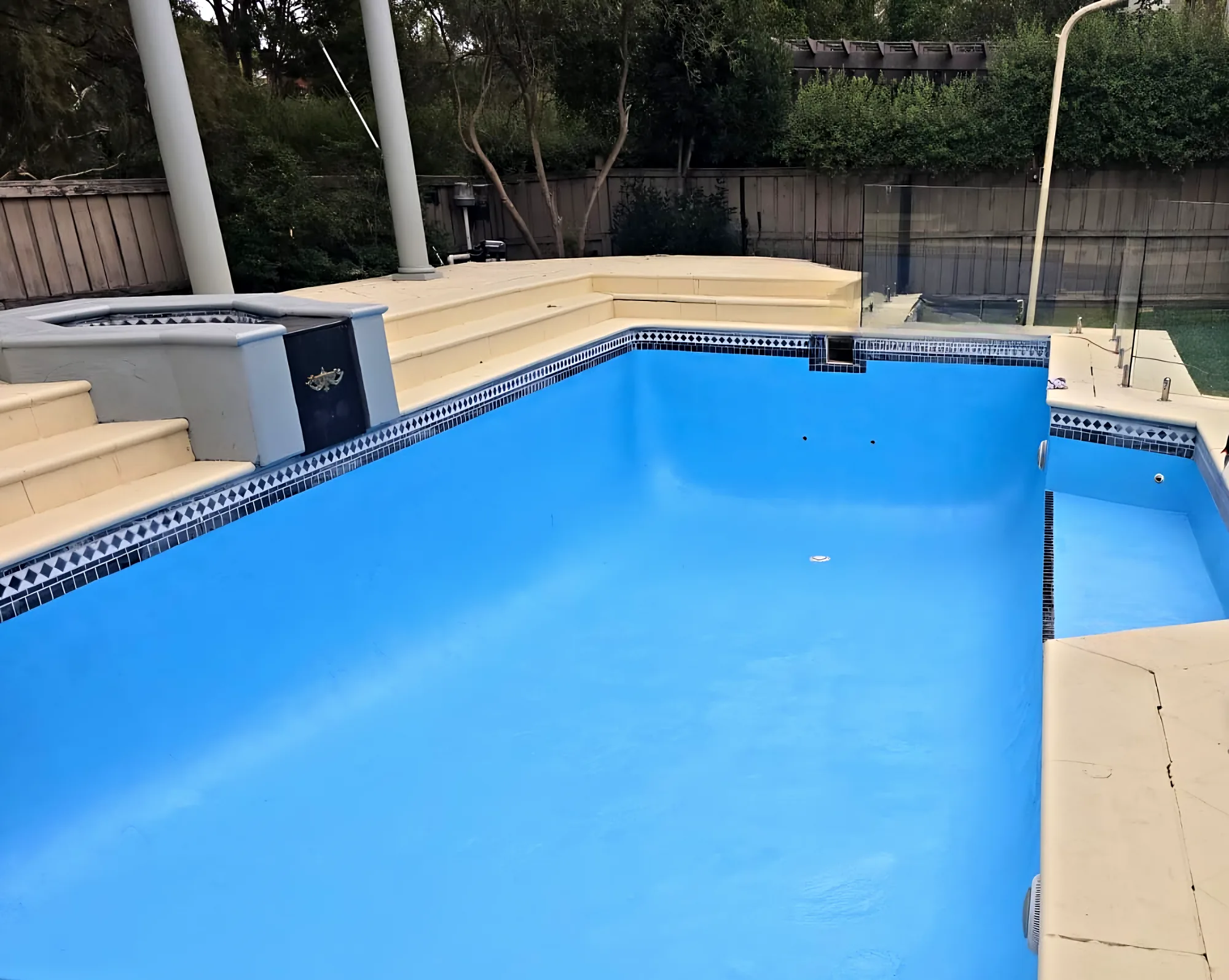
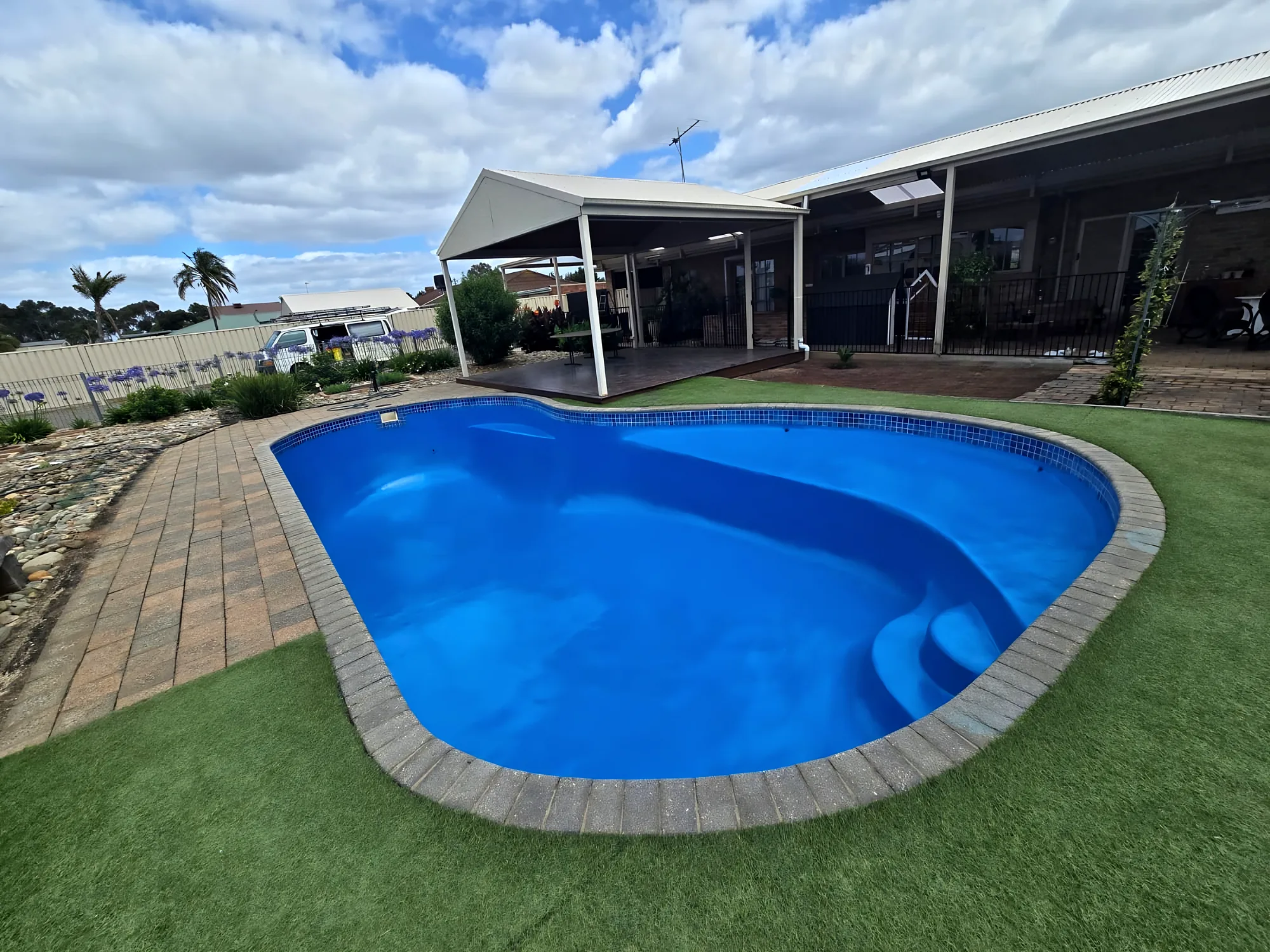
A pool coping and surround refresh cleans, repairs and seals the paved edge around a pool, and it suits any Melbourne home where coping joints have let go, the surround has cracked or the area turns slippery when wet. The coping is the row of stones capping the pool edge; the surround is the paving or concrete behind it.
We work on brick pavers, terracotta bullnose, sandstone and plain or exposed-aggregate concrete: high-pressure washing, crack sealing, re-grouting failed joints, then a slip-resistant sealer, clear or pigmented. If the fault is in the pool shell, we say so at the quote and point you to Cosmetic Pool Shell Repairs.
When you need it
- Coping grout has cracked or washed out, or hairline cracks have opened in the surround, letting water under the stones.
- The surround is slippery when wet, often smooth concrete or sawn sandstone under a plain gloss sealer.
- Mould, algae or calcium streaks make the edge look tired beside a freshly coated pool.
- Sandstone or terracotta coping has gone blotchy or carries white salt crust from a salt-chlorinated pool, a sign the sealer has worn away.
What is included
- High-pressure washing of coping, surround and adjacent paving, with treatment where mould or algae has taken hold.
- Raking out failed or hollow grout and re-grouting coping joints in a tone matched as closely as practical.
- Flexible sealing of surface cracks in the surround and at coping junctions.
- Masking of glass fencing, spigots, pool lights and skimmer lids before sealing.
- A slip-resistant clear or pigmented sealer in even coats, with overspray cleaned off afterwards.
Our preparation and application process
Step 1: Inspect and wash
We tap joints for hollow grout, mark cracks, then high-pressure wash to lift algae, oils, calcium and flaking sealer.
Step 2: Mask and protect
Glass, posts, lights and plants are masked, with drop sheets along the pool edge so dust and sealer stay out of the water.
Step 3: Re-grout, fill cracks, then seal
Failed grout is raked out and the joints re-grouted; cracks are filled with a flexible sealant. Once cured, the slip-resistant sealer goes on in thin coats so the grit stays even.
Step 4: Cure and clean up
The surround stays clear of feet and furniture while it cures, a window we confirm before leaving. Masking comes off and the site is left tidy.
Materials and systems
Slip-resistant clear sealer
Clear with fine grit mixed through, so sandstone, terracotta and clay pavers keep their natural look while wet feet get grip.
Pigmented sealer
Tinted and slip-resistant, it adds colour as well as protection and suits stained or patched concrete and faded pavers.
Coping grout and flexible crack sealant
Grout for coping joints, plus a sealant that stays flexible for cracks in the surround.
What affects the cost
- The length of the pool edge and the area of surround to wash and seal.
- How many joints need re-grouting and how many cracks need filling.
- Stone type: porous sandstone and terracotta absorb more sealer than dense brick or concrete.
- Clear versus pigmented sealer, and whether an old failed sealer must be stripped first.
We do not publish prices because every surface is different. Get a free quote with the scope written down.
How long it takes
A coping and surround refresh typically takes two to four days on site, depending on the area, the re-grouting needed and the weather. The surface must dry after washing before grout and sealant go in, and those repairs cure before sealing.
Sealers are typically touch-dry by the end of the day but need a day or two before furniture and foot traffic return, depending on product, temperature and humidity, and never ahead of rain.
How to prepare
- Move furniture, pots, toys and the barbecue well back so the surround is clear.
- Tell us about lights, spigots or irrigation fittings in the surround so we mask rather than seal over them.
- Keep the pool full and the pump running, and keep pets and kids off the area until we give the all-clear.
Real projects
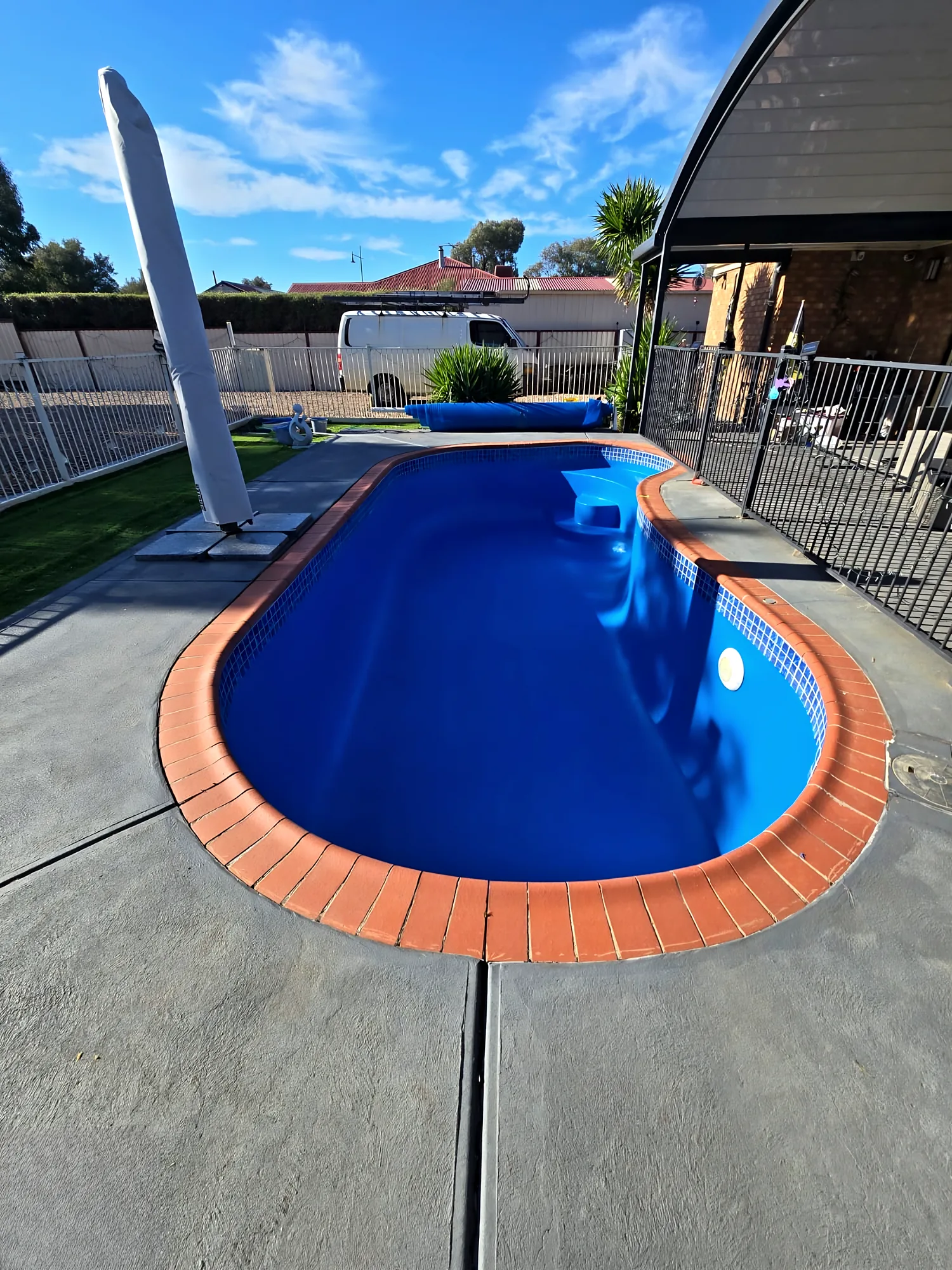
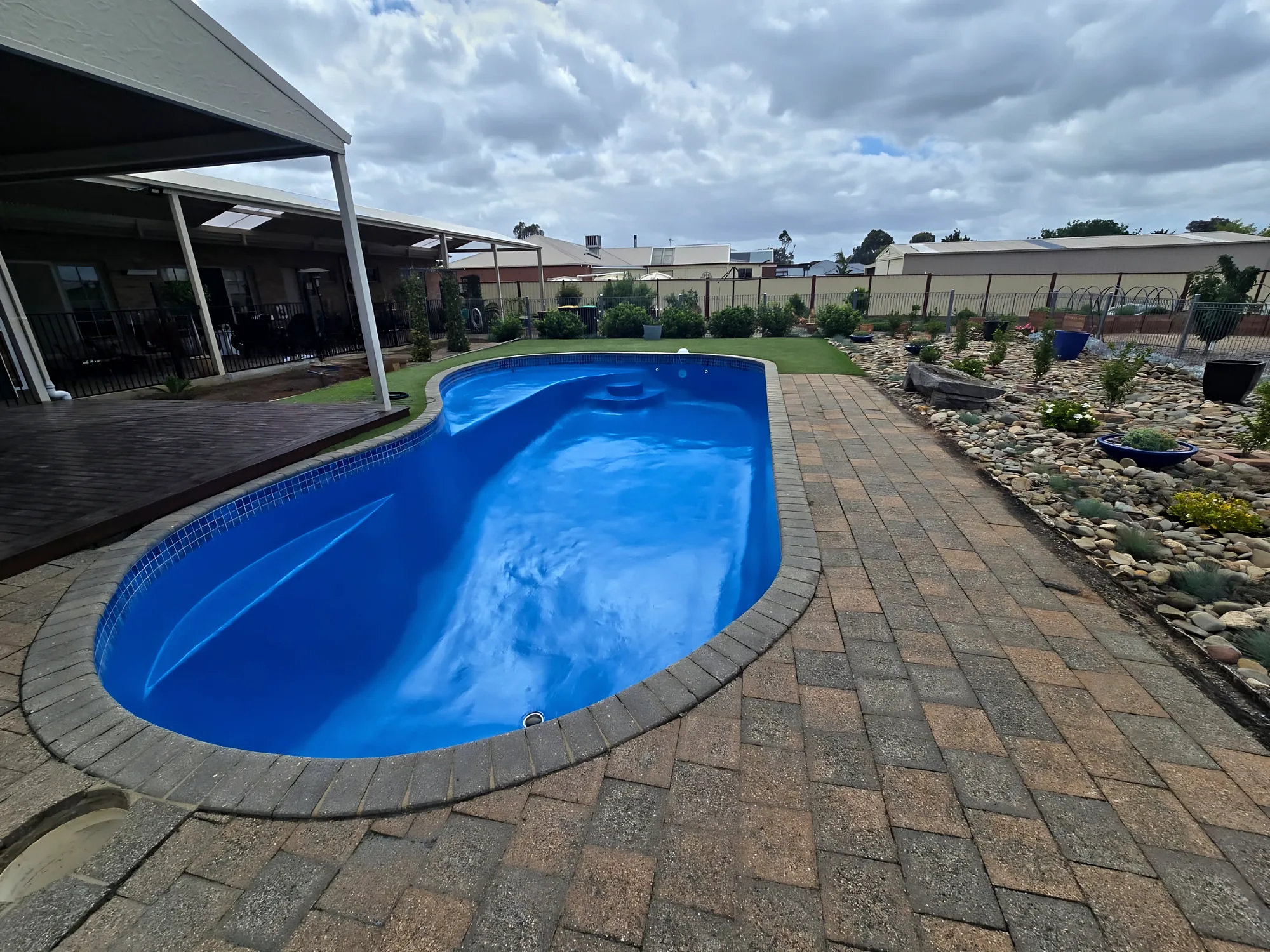
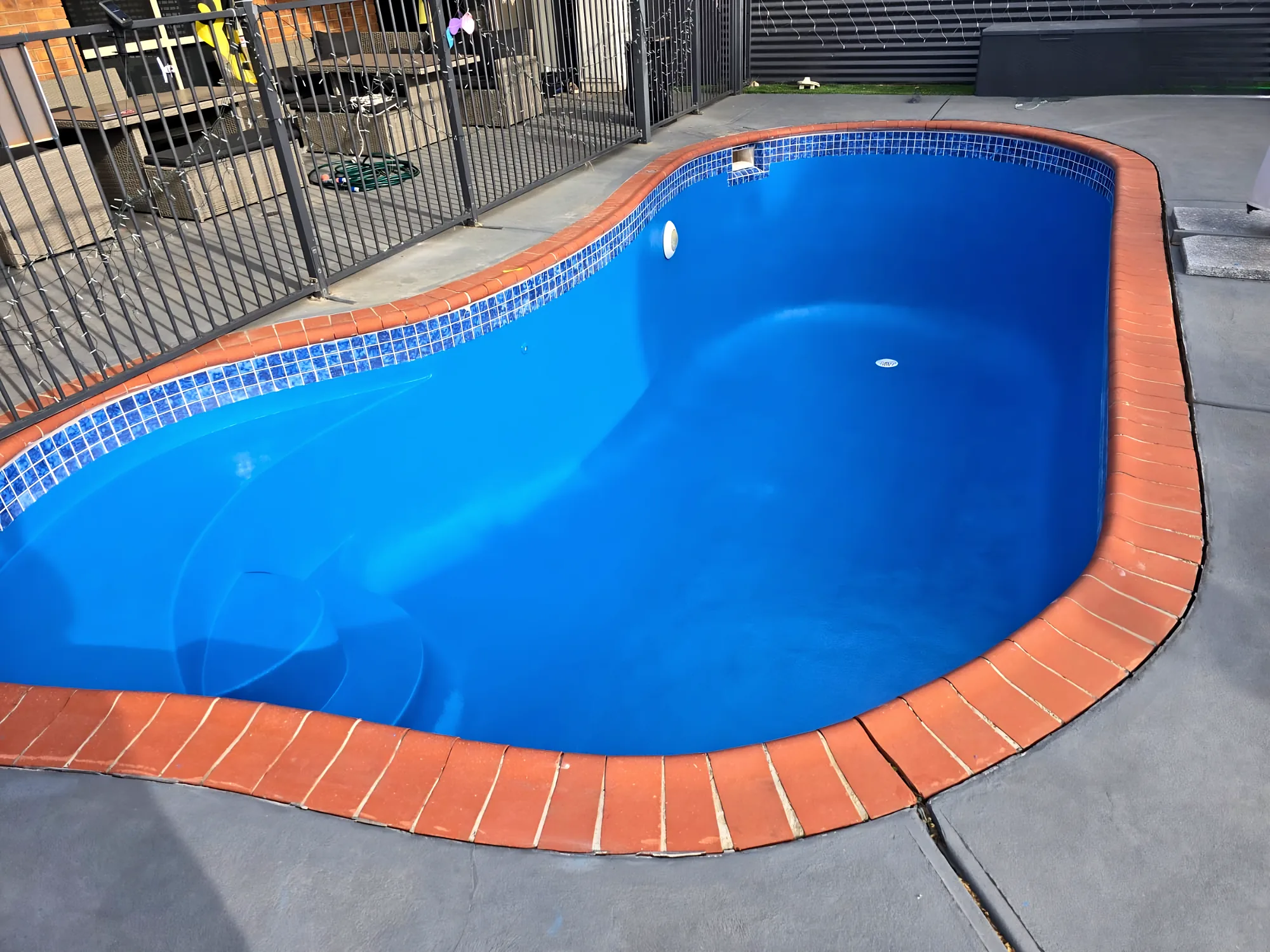
Coping & Surrounds from real jobs.
FAQ
Coping & Surrounds: questions people ask.
How much does it cost to re-grout and seal pool coping?
It depends on the length of the pool edge, how much re-grouting and crack filling is needed, the stone type and the sealer you choose. Porous sandstone drinks more sealer than dense pavers. We measure on site and give a free, no-obligation quote.
How long does a pool coping and surround refresh take?
Typically two to four days on site, depending on the area and the weather. Grout and crack sealant must cure before the sealer goes on, which sets the pace. Allow a day or two after the final coat before furniture goes back.
Will a clear sealer make my pool surround slippery?
Not when a slip-resistant additive is mixed through it, which is how we apply every sealer around a pool. A plain gloss sealer leaves a glassy film that is dangerous when wet, especially on smooth concrete and sawn sandstone.
Can you fix loose coping stones, or only the grout?
We re-grout the joints and seal surface cracks, which fixes most coping that feels loose while the stones themselves are sound. If a stone is cracked through or lifting from its bed, we tell you at the quote rather than sealing over it.
Free quotes
Get a free coping and surrounds quote
One enquiry can cover several jobs: a repaint and a roof clean, a pool recoat and the surrounds, a bathroom refresh before sale.
- Step 1: We read your request and look at any photos
- Step 2: We call, text or email you (your choice) to talk it through
- Step 3: Site visit if the surface needs a closer look
- Step 4: A free, no-obligation quote with the scope written down
Get a free coping and surrounds quote
Tell us about the surface and how you would like to hear back. Photos help us quote faster.
Coping & Surrounds, done properly.
Get a free coping and surrounds quote. Free, no-obligation, across Melbourne and Victoria.